Fionnáin hat The Vegetarian von Kang Han besprochen
A tough novel about social norms
4 Sterne
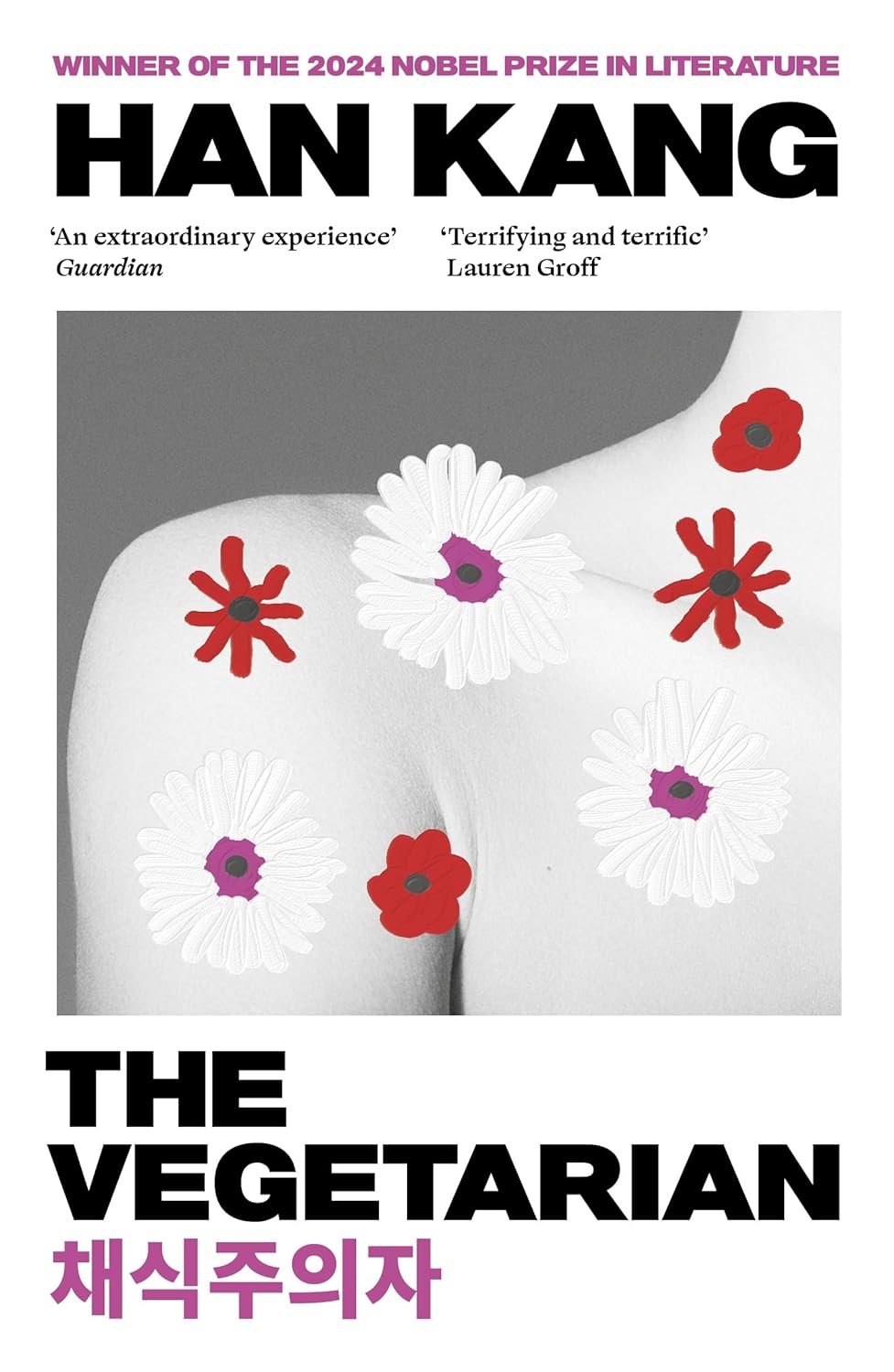
With The Vegetarian I have now read four of Han Kang's five novels that have been translated into English. I adore her prose and artistic storytelling. This is her most famous novel, a story of Yeong-hye, a woman who becomes vegetarian and then makes a series of choices that give her other forms of agency, as the people around her become more and more aghast at these simple acts of refusal. Pointedly, the protagonist never gets to tell her side of the story. Her actions are told through three observers: her pathetic, patriarchal husband, her sister's artist husband, and her caring and diligent sister. Each observes her changing over time.
The first story is very difficult – her husband is an atrocious, weak and pathetic character who only married so he could dominate another human, and he is revolted by her small acts of refusal. The second is more …
With The Vegetarian I have now read four of Han Kang's five novels that have been translated into English. I adore her prose and artistic storytelling. This is her most famous novel, a story of Yeong-hye, a woman who becomes vegetarian and then makes a series of choices that give her other forms of agency, as the people around her become more and more aghast at these simple acts of refusal. Pointedly, the protagonist never gets to tell her side of the story. Her actions are told through three observers: her pathetic, patriarchal husband, her sister's artist husband, and her caring and diligent sister. Each observes her changing over time.
The first story is very difficult – her husband is an atrocious, weak and pathetic character who only married so he could dominate another human, and he is revolted by her small acts of refusal. The second is more mystical, and opens up fascinating questions about consent – Yeong-hye, despite being perceived as mentally incapable, still displays agency at key moments. Her mental capacity is judged more by those around her than by her – she seems perfectly comfortable with her decisions and her body. The third story, from her sister's perspective, is the best of the book. Here these questions of consent come to a head, and they are dealt with in heartbreaking fluidity by a text that seems to slip forward and backward in time.
Wonderful writing, but a very hard story and compared to her other novels it is maybe a little less refined, if still very powerful.