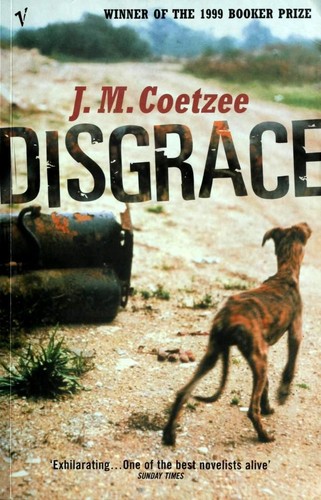

Guerric Haché hat Disgrace von J. M. Coetzee besprochen
Challenging but compelling
4 Sterne
This is the kind of book one does not recommend lightly. There are a lot of topics here that will not be comfortable to a variety of readers, so I suggest looking into it before diving in.
That said, I found this to be a compellingly-written book. The author is very effective at painting psychological and relational pictures with very few words and without explicitly naming what he is describing. He is also very effective at writing down the main character's perspective while simultaneously outlining the things the main character resists, avoids, or simply can't see. It's the kind of book I would want to consult as a study in technique.
There's a lot to be said about the main character's inner thoughts here. He's got a complicated mix of concerns; he is sexually driven, but his sexuality is coloured by callous impulsiveness and by an increasing preoccupation …
This is the kind of book one does not recommend lightly. There are a lot of topics here that will not be comfortable to a variety of readers, so I suggest looking into it before diving in.
That said, I found this to be a compellingly-written book. The author is very effective at painting psychological and relational pictures with very few words and without explicitly naming what he is describing. He is also very effective at writing down the main character's perspective while simultaneously outlining the things the main character resists, avoids, or simply can't see. It's the kind of book I would want to consult as a study in technique.
There's a lot to be said about the main character's inner thoughts here. He's got a complicated mix of concerns; he is sexually driven, but his sexuality is coloured by callous impulsiveness and by an increasing preoccupation with his aging and mortality. His views on animals begin as indifferent and philosophical, and are changed (without his apparent admission) by being ground against real experience. He is surprisingly unbothered by his daughter's queerness, considering some of his other reactions, which plays into the larger question of his complicated relationship to fatherhood. His perspectives on race relations in post-apartheid South Africa are fluid, and oddly mundane and subdued. Overall, I think David is not the kind of person many people would like, and I imagine many would not like to read about him either, but he is an interesting psychological study.
I don't want to get too into the narrative details about what happens. Suffices to say, I feel this is a book which succeeds at making mundane and earthen a series of experiences that range from horrific to sympathetic. I am glad I read it.